About Plain Reinforced Endotracheal Tube
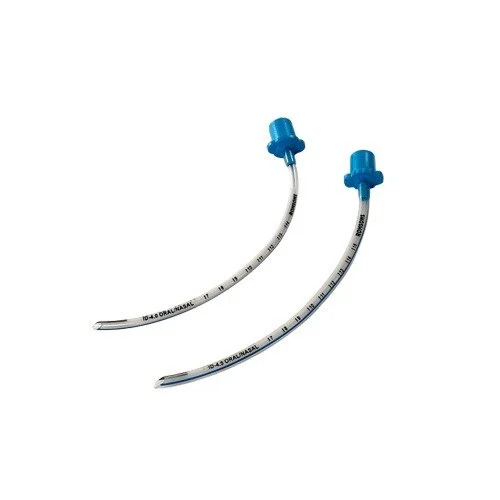
Reduced inventory alert: Our Plain Reinforced Endotracheal Tube, sized at 2.5 mm, is tailored for neonatal applications. This eminent airway management device stands out with ineffable reinforcement-spiral embedded wire preventing tube kinking, even during prolonged use. Crafted from venerable, latex-free medical-grade PVC, each sterile, single-use tube boasts a plain, non-cuffed design and universal connector. Transparency ensures ease of monitoring, while suitability for humidified gases maintains airway integrity. Buy now-this valued product is ending soon. Exclusively from a leading Indian exporter, manufacturer, and supplier.
Key Applications & Usage Guidance
The Plain Reinforced Endotracheal Tube is primarily used for neonatal intubation in hospital settings. Its direction of use involves insertion via the nasal route under sterile conditions. The tube's spiral reinforcement ensures resilience and prevents accidental kinking. Application is directly on the neonatal patient's airway, with the clear body allowing precise visual confirmation. This product is ideal for scenarios that require dependable, safe airway management in vulnerable neonates, ensuring medical teams can act confidently and efficiently.
Certifications, Packaging & Transport Details
Our Plain Reinforced Endotracheal Tubes are supplied with all relevant medical-grade certifications, attesting to their premium quality and compliance. Packaging is meticulously designed to ensure sterility and integrity during transit. We offer robust transport services for fast and secure delivery worldwide, with tubes dispatched promptly to meet urgent clinical needs. Our supply ability caters to both high-volume hospitals and individual specialty clinics, ensuring availability wherever medical professionals require reliable neonatal airway solutions.
FAQ's of Plain Reinforced Endotracheal Tube:
Q: How is the Plain Reinforced Endotracheal Tube used for neonatal airway management?
A: The tube is carefully inserted nasally in neonatal patients to secure and maintain the airway, especially in critical care situations. Its spiral reinforcement prevents kinking, ensuring a consistent airway passage during clinical procedures.
Q: What are the primary benefits of the spiral embedded wire reinforcement?
A: The spiral embedded wire provides added strength and flexibility, significantly reducing the risk of tube kinking. This ensures uninterrupted airflow and reliable ventilation for neonates under medical care.
Q: When should a plain, non-cuffed endotracheal tube be selected?
A: A plain, non-cuffed tube is typically chosen for neonates where gentle, secure intubation is needed and airway tissues are sensitive. It reduces risk of trauma while still providing effective ventilation in neonatal patients.
Q: Where are these tubes mainly applied within a hospital environment?
A: These endotracheal tubes are mainly used in neonatal intensive care units (NICUs), operating rooms, and emergency settings, wherever safe and dependable airway management is required for newborn patients.
Q: What is the process for disposing of the tube after use?
A: After single use, the tube should be safely discarded following hospital protocols for medical waste disposal, minimizing contamination and adhering to infection control practices.

 Send Inquiry



 Send Inquiry

 Send Inquiry